BLOG
Introduction to Wind Turbine Blades
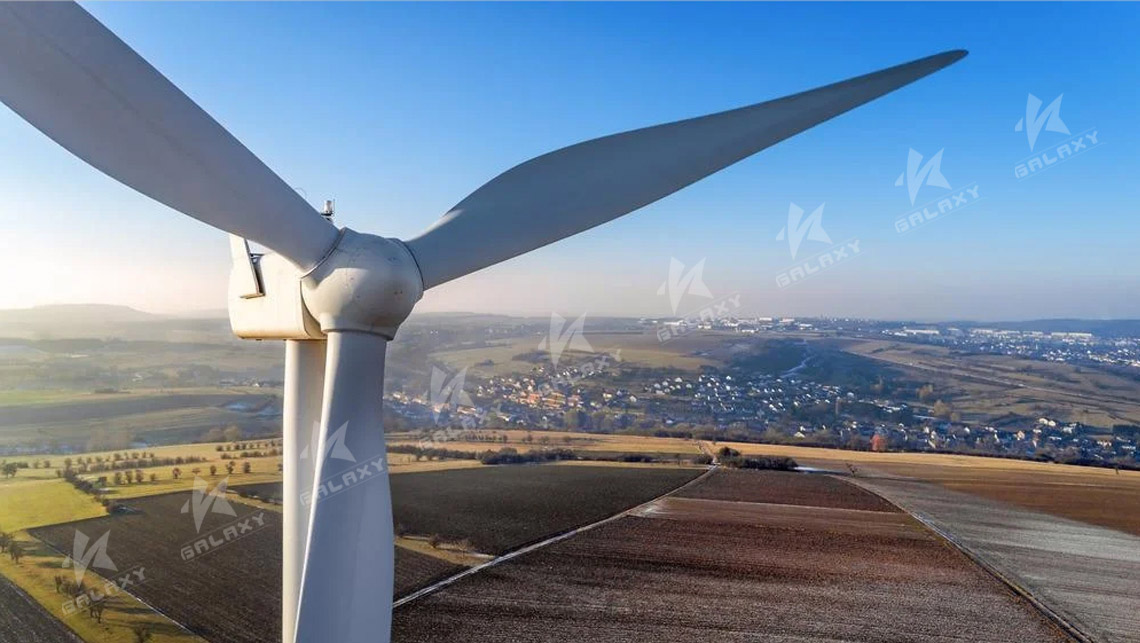
The shape design and number of wind turbine blades are determined by complicated theoretical calculation and wind tunnel experiments. The results show that, in general, the fewer blades of the wind turbine, the higher the rotation speed of the blades; The more blades, the lower the speed of the wind wheel. Therefore, a wind wheel with less than three blades is generally considered to be a high speed wind wheel, while a wind wheel with more than three blades is a low speed wind wheel.
For the self-weight of the same impeller, the blade is less, you can make the blade longer, rotation of the blade out of the circular area product (the total area of wind) is larger, so the speed is fast, power generation efficiency is higher; On the contrary, if more blades are used, under the premise that the total area of blades is unchanged, the blades can only be made shorter, and the total area of wind affected by blade rotation is smaller, the rotational speed is slower, and the power generation efficiency is lower. Therefore, blade design in wind turbine directly affects the conversion efficiency of wind energy, directly affects its annual power generation, is an important part of wind energy utilization.
Production and Processing
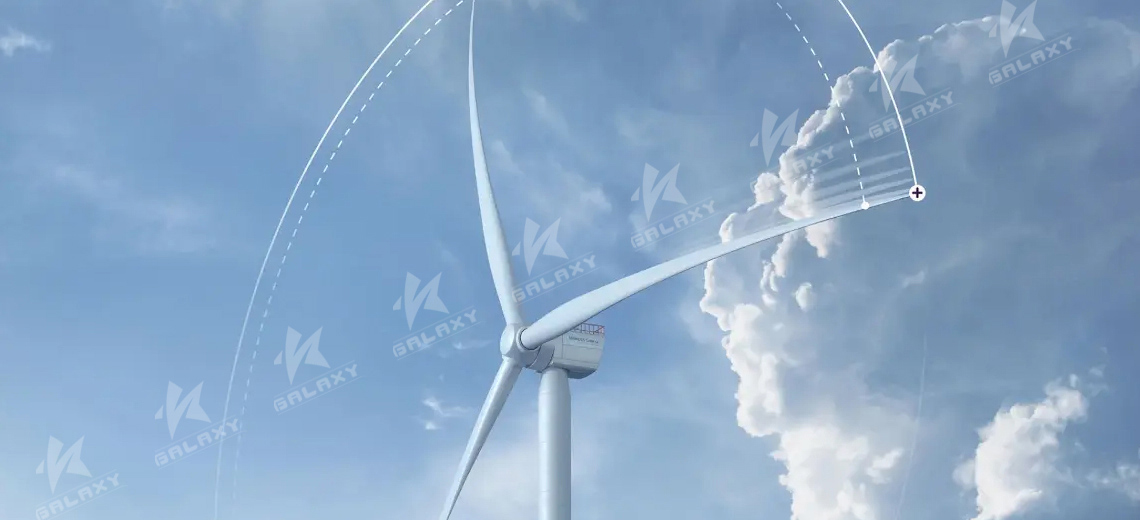
The blades of micro wind turbine are generally handmade with wood, metal cold stamping or injection molding process;
Small wind turbine blades are usually made of metal or fiberglass, among which fiberglass blades are the most popular and practical blades.
Large wind turbine blades are usually handmade from glass steel.
Basic Requirement
Blade is the most basic and the most critical component in wind turbine. Its good design, reliable quality and superior performance are the decisive factors to ensure the normal and stable operation of the unit. Harsh environment and long-term non-stop operation, the requirements of the blade are:
1. Light density with the best fatigue strength and mechanical properties, can withstand extreme conditions such as storms and random load test;
2. The elasticity, inertia and vibration frequency characteristic curve of the blade when rotating are normal, and the load transferred to the whole power generation system is stable. It shall not break and fly out under the action of centrifugal force in the case of out of control (flying car), nor break under the action of wind pressure, nor produce strong resonance of the whole wind turbine in the range below the speed of flying car;
3. Blade material must ensure smooth surface to reduce wind resistance, rough surface will also be "torn" by wind;
4. Shall not produce strong electromagnetic interference and light reflection;
5. Excessive noise is not allowed;
6. Good corrosion resistance, UV irradiation and lightning performance;
7. Low cost and lowest maintenance cost.
Processing Material
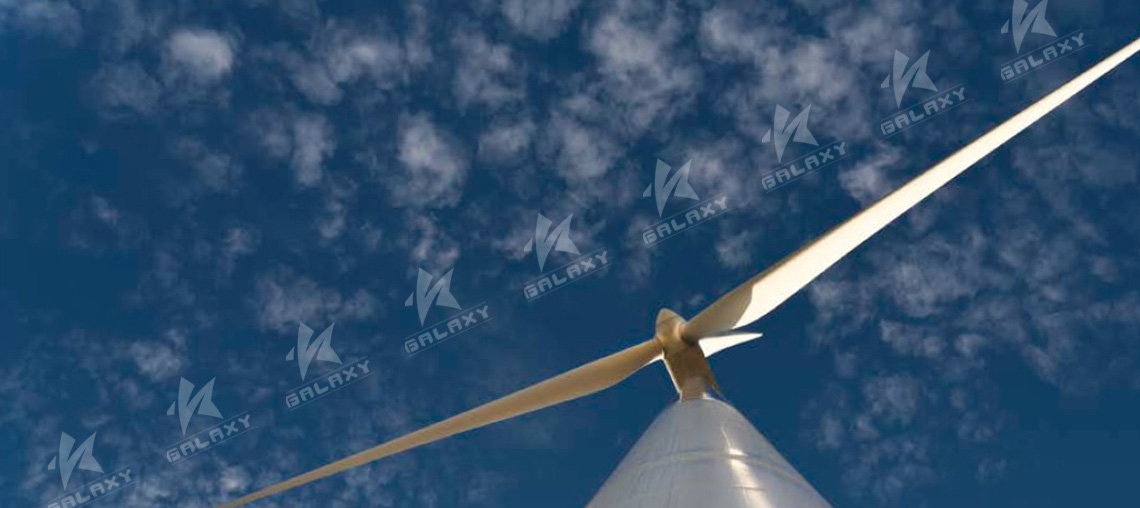
Materials used for blade processing are wood, metal, engineering plastics, glass steel and so on.
Wooden Blades and Cloth Leather Blades
Modern micro, small wind turbines also have the use of wooden blades, but wooden blades are not easy to make a twisted type. Large and medium wind turbines rarely use wooden blades. Wooden blades are also used as blade longitudinal beams with good strength of the whole wood square to bear the force and bending moment that the blades must bear when working.
Steel Beam Glass Fiber Clad Blade
In modern times, the blade adopts the mechanism form of steel pipe or D-section steel as longitudinal beam, steel plate as ribbed beam, filled with foam plastic and covered with FRP skin, which is generally used in large wind turbines. The section of steel pipe and D-section steel of blade longitudinal beam should be gradually reduced from blade root to blade tip to meet the requirements of twisted blade and reduce the weight of blade, that is, to make equal strength beam.
Aluminum Alloy Constant Chord Length Extrusion Blade
Aluminum alloy extrusion molding of the same chord length blade is easy to manufacture, can contact production, and can be twisted according to the design requirements of the distortion processing, blade root and hub connecting shaft and flange can be welded or bolted connection to achieve. Aluminum alloy blades are light in weight and easy to work, but can not be achieved from the root to the tip of the blade shrinking, because the world's famous countries have not yet solved this extrusion process. In addition, the oxidation and aging of aluminum alloy in air are also worth studying.
FRP Blade
glass fiber reinforced plastic, or GFRP, is a reinforced plastic made by penetrating plastics such as epoxy and unsaturated resins into glass or carbon fibers of varying lengths. Reinforced plastic high strength, light weight, aging resistance, the surface can be wrapped glass fiber and coated with epoxy resin, other parts filled with foam plastic. The main function of foam in the blade is to reduce the quality of the blade while ensuring its stability, so that the blade can meet the stiffness and increase the wind catching area.
From the mechanical properties of foam and price and other factors, the foam used for wind power blade core materials are mainly polyvinyl chloride (PVC), polystyrene (PS), polyurethane (PUR), acrylonitrile-styrene (SAN), polyetherimide (PEI) and polymethylacryimide (PMI), polyethylene terephthalate (PET) and so on. PVC foam is the most widely used, and is also the first structural foam core material used in the sandwich structure of load-bearing members, also known as crosslinked PVC. This foam is a thermosetting foam, invented by the German Lindemann in the late 1930s.
PET foam (Airex) is a thermoplastic foam that has only been developed and produced in recent years. The production process is extrusion foaming, but different from PS foam, its extrusion width is limited, so after extrusion, it needs to be spliced into a larger foam body through hot melt bonding to facilitate use.
Fiberglass quality can also be improved by surface modification, sizing, and coating at a lower unit (kW) cost.
Carbon Fiber Composite Blade
With the development of wind power industry, the requirements for blades are higher and higher. Stiffness is also a very important index for blades. Research shows that the stiffness of carbon fiber (CF) composite blade is two to three times that of FRP composite blade. Although the performance of carbon fiber composites is much better than that of glass fiber composites, its high price affects its wide application in wind power generation. Therefore, the world's major composite material companies are from raw materials, process technology, quality control and other aspects of in-depth research in order to reduce costs.
The airfoil of the blade is designed according to the principle of aerodynamics, which is the decisive factor to determine the efficiency and working condition of the wind turbine.